Faciliter la production
et l’approvisionnement en ananas
Biolife Tech connecte les producteurs d’ananas aux grossistes, exportateurs, agro-industries et importateurs à travers une solution intelligente. Nous simplifions la planification des récoltes, la traçabilité et l’optimisation de la logistique jusqu’à la livraison.
Techniques that prioritize health of our land and customers within the regional agricultural market.
100% Organic Products
The Best Ingredients
Cow Meat & Milk
Notre impact sur la filière ananas au Bénin
1+
Producteurs
d’ananas accompagnés et actifs
1+
Acheteurs actifs
venant de 8 pays différents
1+
Tonnes
d’ananas commercialisées
1+
Hectares
de champs d’ananas cartographiés et suivi
Nous accompagnons nos agriculteurs à mieux produire et à accéder aux marchés les plus rentables
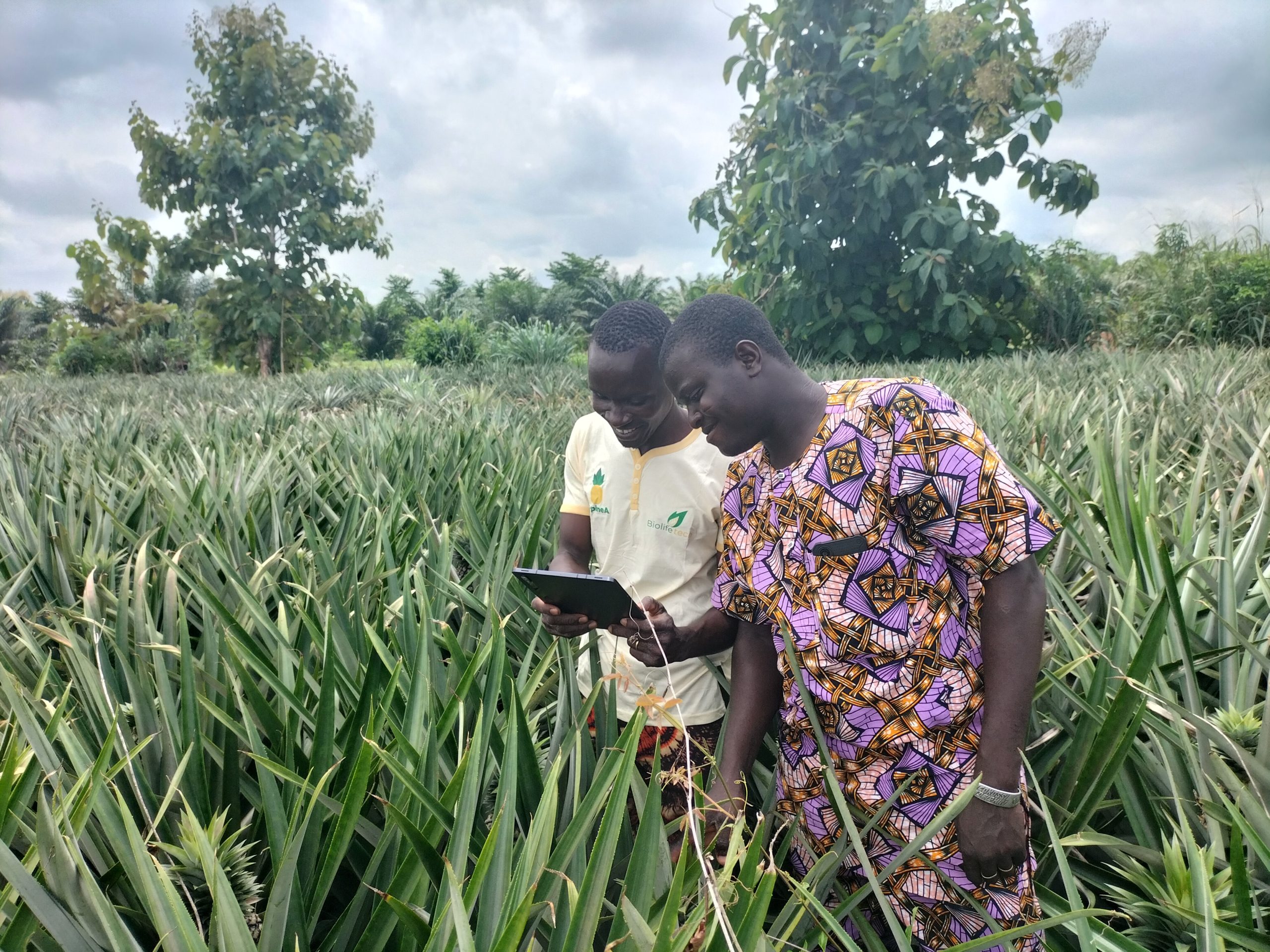
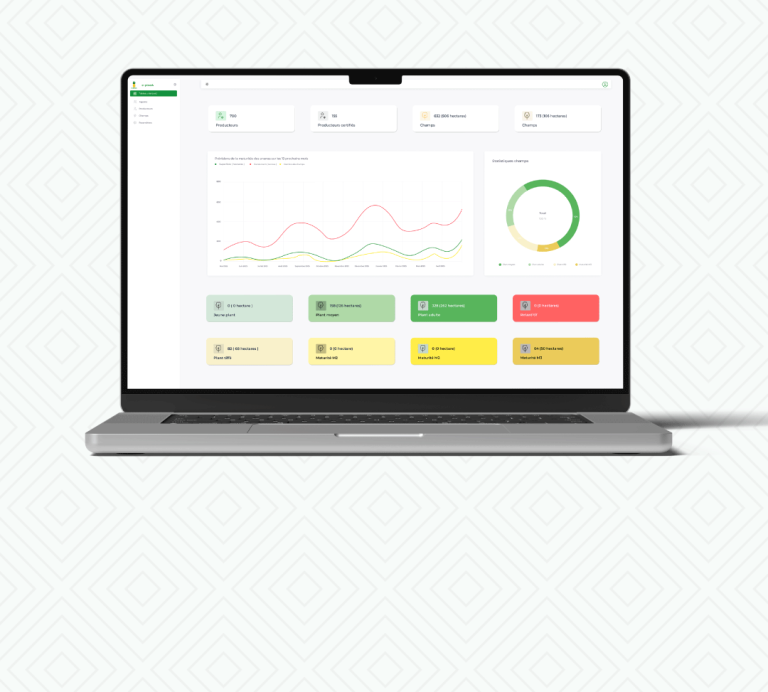
Nous déployons sur le terrain nos techniciens agronomes qualifiés pour accompagner les agriculteurs vers une production durable conforme aux exigences des marchés. Notre technologie leur permet de suivre leur production, de prédire les périodes de récolte et les rendements, de se connecter facilement aux acheteurs tout en assurant une traçabilité complète des ananas
Les difficultés qui paralysent la filière sans Biolife Tech
Manque d'informations fiables sur la disponibilité
Difficile d’anticiper les quantités par fenêtre de récolte, variété et calibre. Les décisions d’achat ou de vente se font souvent sans données fiables.
Qualité et traçabilité incomplètes
Accès limité aux informations de parcelle, de traitements et de maturité. Résultats irréguliers et risque de refus à l’export.
Coordination logistique fragile
Récolte, tri, conditionnement et transport ne sont pas toujours synchronisés. Les
retards et surcoûts s’accumulent.
Prix volatils et engagement incertain
Les prix bougent vite, les volumes promis ne sont pas toujours tenus. La confiance entre acheteurs et vendeurs s’érode.
Nos solutions pour produire, vendre ou acheter des ananas
ClusterApp aide les coopératives et fédérations à organiser la production d’ananas: suivi technique des exploitations, standardisation des pratiques, consolidation des volumes et préparation aux certifications, avec données intégrables dans e-pineA.
e-pineA connecte les exportateurs et importateurs aux producteurs d’ananas, pour
sourcer des ananas du Bénin, avec cartographie des parcelles, prévision des
récoltes et traçabilité des lots.
Biolife Tech au service de l’industrie agroalimentaire
Biolife Tech est une startup AgriTech béninoise créée en 2022. Nous facilitons un approvisionnement fiable en produits agricoles, avec traçabilité des lots, qualité contrôlée et logistique agroalimentaire coordonnée de bout en bout. Au-delà des innovations digitales, nous accompagnons les producteurs sur les bonnes pratiques, la conformité et l’organisation des opérations terrain jusqu’à la livraison.
Notre mission
Transformer l'agriculture en connectant les agriculteurs au marché
Notre vision
Fournir aux consommateurs du monde entier des produits agricoles sains grâce à l’innovation, à des pratiques et technologies durables pour un impact positif et durable sur le monde.
Nos valeurs
- Excellence
- Intrépidité
- Innovation
Nos partenaires
Du champ à l’export, Biolife Tech travaille avec des institutions, coopératives, acteurs logistiques, et partenaires technologiques pour mieux servir les partenaires producteurs et acheteurs.
Ce que nos producteurs et nos clients pensent de nos services !
Par le passé, l’approvisionnement en ananas représentait pour moi un véritable défi dans mes activités de transformation. Désormais, avec BioLife Tech, je peux passer mes commandes et les faire livrer rapidement dans mon unité de transformation.
Véronique GOUDJO
Commerçante d’ananas
Grâce à la plateforme e-pineA, mes ananas ont été exportés vers l'Europe et vendus au kilo. J'ai eu une forte augmentation de mes revenus. Désormais, je n'ai plus à me soucier de vendre mes ananas.
Noèl VODOUNON
Producteur d’ananas
Depuis que j'ai découvert la plateforme e-pineA, j'utilise la carte dynamique pour entrer en contact avec les producteurs qui me fournissent des ananas de bonne qualité.
Rufin H FASSINOU
Exportateur d’ananas
Dans le passé, j’étais frustré dans la production d’ananas, car les fruits mûrs étaient souvent invendus. Grâce à e-pineA, j'accède désormais sans effort au marché de l'export et j'obtiens de meilleurs prix.
Valère AGOSSA
Producteur d’ananas
Si vous avez des questions ou souhaitez en savoir plus sur nos services, n'hésitez pas à nous contacter !